
The Number I Want Buyers to Know Before They Start Touring Homes
When buyers tell me they are preparing to purchase a home, they often begin with the amount they have saved for a down payment. That is a good starting point, but it does not answer the question I really want them to understand:
How much cash will you actually need to complete the purchase?
The answer is your cash to close. It is not necessarily the same as your down payment.
Cash to close can include your down payment, loan and settlement costs, prepaid interest, homeowners insurance and initial escrow funding for taxes and insurance. Your earnest-money deposit, seller concessions, lender credits and eligible assistance may reduce the amount you ultimately need to provide.
For example, a buyer might have a $12,000 down payment and another $9,000 in costs and prepaids. If that buyer has already deposited $3,000 and receives a $4,000 seller credit, the simplified estimated cash to close would be $14,000 rather than $21,000.
The actual calculation is specific to the transaction. The loan, property, insurance, taxes, closing date and negotiated credits all matter.
Why I Prefer to Discuss This Early
A buyer can qualify for a mortgage and still feel financially stretched if the planning only accounts for the down payment. There may also be moving expenses, repairs, furnishings and the normal surprises that come with a new home.
The Consumer Financial Protection Bureau notes that closing costs commonly range from about 2% to 5% of the purchase price, not including the down payment. That is a planning range, not a substitute for an estimate from a lender.
I would rather see buyers understand the larger picture before they begin making offers. That gives the lender time to explain the available loan structures, estimate the required funds and identify whether an assistance program or negotiated credit may apply.
Explore the Tu Familia Home Financing Guide
https://tufamilia.realestate/financing-hub
Review the Northeast Florida Home Buyer's Guide
https://tufamilia.realestate/buyer-guide
Where the Final Number Appears
Your Loan Estimate contains an early estimate of cash to close. For most mortgages, the lender must provide the Closing Disclosure at least three business days before closing. That document shows the final loan terms, costs and cash-to-close amount.
Use those three days. Compare the Closing Disclosure with the Loan Estimate and ask questions about anything that changed.
You should also independently verify wiring instructions with the title company or closing agent using a trusted phone number. A last-minute email changing instructions should always be treated with caution.
Buying a home should not feel like arriving at a closing table and hoping the numbers make sense. Good planning begins well before the contract, with a clear understanding of the full amount you may need and what should remain in reserve afterward.
If you are considering buying in Jacksonville or Northeast Florida, I can help you organize the right questions before you begin your search.
This article is for general educational purposes and is not a loan estimate, lending commitment, legal advice or financial advice. Consult qualified professionals regarding your circumstances.
FROM OUR BLOG
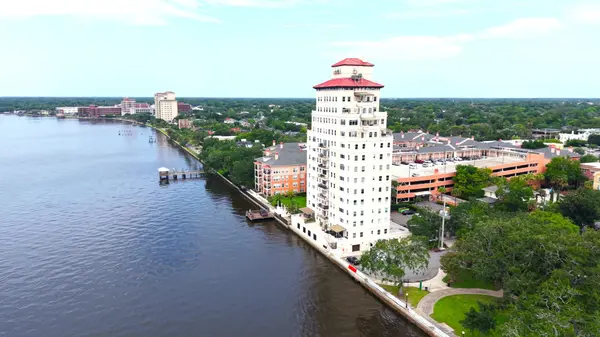
Is Riverside the Jacksonville Neighborhood You’ve Been Looking For?
Is Riverside the Jacksonville Neighborhood You’ve Been Looking For? Some Jacksonville neighborhoods are difficult to understand from property listings alone. Riverside is one of them. Historic homes, riverfront parks, Five Points, local restaurants, cultural attractions and proximity to Downtown all

Could You Be Considered a First-Time Homebuyer Again?
Could You Be Considered a First-Time Homebuyer Again? One of the most common misunderstandings I encounter is that first-time-homebuyer programs are only for people who have never owned a home. Florida Housing’s definition is broader than that. For many of its programs, the important question is whe

Could You Be a First-Time Homebuyer Again in Florida?
Could You Be a First-Time Homebuyer Again in Florida? One of the most common misunderstandings I hear is that first-time homebuyer programs are only available to people who have never owned real estate. Florida Housing’s definition is broader than many buyers realize. You may meet its first-time req