
Moving to Fleming Island, FL: Essential Tips for New Residents
Moving to Fleming Island brings a blend of suburban comfort, riverfront scenery, and access to Jacksonville’s job centers. According to U.S. Census Bureau QuickFacts, Fleming Island’s population was just over 29,000 residents in 2020, giving the area a mid-sized, neighborhood-focused feel. Master-planned communities, established streets off U.S. Highway 17, and popular retail corridors along County Road 220 create distinct pockets of activity. Understanding those pockets, plus schools, commuting, and housing costs, helps new residents settle efficiently and avoid early relocation mistakes.
How is Fleming Island laid out, and which neighborhoods stand out?
Most daily life on Fleming Island orbits County Road 220 and U.S. Highway 17, with residential streets branching toward Doctors Lake and Black Creek. Master-planned communities such as Eagle Harbor and Fleming Island Plantation line Eagle Harbor Parkway and Town Center Boulevard, while quieter pockets extend along Hibernia Road and Pine Avenue. According to Redfin, active listings typically stay below 200 homes, reinforcing the impression of an organized but limited-inventory market.
Each neighborhood offers a slightly different environment. Eagle Harbor surrounds a golf course and lagoons near Talons Restaurant and the clubhouse on Lakeshore Drive, with HOA-maintained amenities. Fleming Island Plantation centers around the amenities near Thunderbolt Park and the YMCA on Town Center Boulevard. Smaller enclaves near Old Hard Road and East West Parkway often feature larger lots and mature trees. According to mapping data from Walk Score, most areas score in the 20s and 30s, emphasizing car-based living.
Late afternoons along Doctors Lake Drive often bring soft golden light over the water, the gentle slap of waves against docks, and the faint tang of brackish air from Doctors Lake. Fishing lines whistle off the public pier near Whitey’s Fish Camp just across the creek in Orange Park, while traffic hums steadily along U.S. Highway 17 behind the trees. Golf carts glide through Eagle Harbor’s winding streets, their tires whispering across smooth pavement as residents head toward the tennis courts and waterfront boardwalk.
The commercial heart sits near Fleming Island Town Center, anchored by the Walmart Supercenter on Town Center Boulevard and the Publix Super Market at Fleming Island. Restaurants such as Mellow Mushroom, Talons Restaurant, and the local Starbucks cluster near Village Square at Fleming Island. According to traffic reports from the North Florida TPO, daily volumes along U.S. Highway 17 through Fleming Island regularly exceed 40,000 vehicles, so proximity to main intersections like CR 220 can noticeably affect driveway access and noise exposure.
How do schools and family amenities influence moving to Fleming Island?
Clay County schools draw many households to Fleming Island. Fleming Island High School on Eagle Way, Thunderbolt Elementary on Thunderbolt Road, and Paterson Elementary near Fleming Island Plantation all serve local neighborhoods. According to GreatSchools, Fleming Island High holds a rating in the 8–9 out of 10 range based on recent data, reflecting strong test performance and graduation outcomes. Middle-grade students often attend Lakeside Junior High or Green Cove Springs Junior High, depending on zoning.
The Clay County District Schools website lists detailed attendance zones and program options for STEM, arts, and career academies. Based on information from Clay County District Schools, the district serves more than 38,000 students countywide, giving families access to a broad network of extracurriculars, sports, and advanced coursework. Proximity to schools along Thunderbolt Road, Eagle Way, and County Road 220 can simplify daily logistics, particularly during peak drop-off and pick-up windows when traffic thickens around campus entrances.
On game nights at Fleming Island High School’s stadium along County Road 220, the crisp smell of popcorn mingles with grilled burgers from the concession stand, and stadium lights cast a bright halo over Eagle Way. The drumline’s rhythm echoes across nearby neighborhoods like Fleming Island Plantation, while car horns and distant cheers spill out onto Town Center Boulevard after a big win. Families in Thunderbolt Elementary and Paterson Elementary shirts cluster along the fence, the cool metal rails vibrating with every surge of applause.
Parks and sports complexes reinforce that family focus. Moccasin Slough Park on Raggedy Point Road offers elevated boardwalks and shaded trails, while Thunderbolt Park provides ballfields and playground equipment near the YMCA’s indoor facilities. Ronald A. Thompson Park along Old Hard Road adds open fields and walking paths. According to Clay County Parks data summarized by Clay County, more than 30 public parks and recreation sites operate within the county, several clustered within a 10-mile radius of Fleming Island.
What commuting and transportation realities matter when moving to Fleming Island?
Fleming Island relies heavily on personal vehicles. According to U.S. Census QuickFacts, Clay County commuters register an average travel time in the low- to mid-30-minute range, reflecting trips into Jacksonville and nearby employment centers. From central Fleming Island Town Center, the drive to Downtown Jacksonville via U.S. Highway 17 and I-10 usually spans roughly 25 to 35 minutes in light traffic, though bridge backups over the St. Johns River can extend that considerably during weekday rush hours.
Public transit options remain limited. Jacksonville Transportation Authority bus routes currently terminate closer to Orange Park Mall and do not crisscross Fleming Island’s internal streets. As a result, households often plan for at least one vehicle per adult. According to national vehicle ownership data summarized by Bureau of Transportation Statistics, suburban households commonly average around 2 vehicles, a pattern that aligns with garage layouts in Eagle Harbor and Fleming Island Plantation. Biking remains feasible primarily within neighborhoods and along quieter sections of East West Parkway.
Key commute corridors include U.S. Highway 17 toward Orange Park and Jacksonville, as well as County Road 220 connecting to State Road 21 and Middleburg. Morning backups typically build at signals near Baptist Medical Center Clay and the intersection of U.S. 17 and CR 220. Parking availability rarely presents problems at Fleming Island Town Center, where big-box retailers and the Regal movie theater maintain large surface lots. However, Jacksonville’s urban core requires more strategic garage or on-street parking decisions during business hours and major events.
For regional travel, Jacksonville International Airport lies about 35 to 40 miles north of Fleming Island, depending on the starting point along Doctors Lake Drive or Town Center Boulevard. Trips to the beaches—such as Jacksonville Beach or Neptune Beach—often require 50 to 60 minutes via I-295 and Butler Boulevard, as documented by mapping tools referenced by Visit Jacksonville. Those time frames shape weekend plans, making local waterfront venues along Doctors Lake and Black Creek attractive substitutes for longer beach drives.
How do housing costs and property taxes compare for those moving to Fleming Island?
Housing on Fleming Island ranges from townhomes near Town Center Boulevard to single-family homes near Doctors Lake and Black Creek. According to Realtor.com, recent listings often show entry-level townhomes in the approximate range of $260,000 to $320,000, with larger single-family homes in Eagle Harbor and Fleming Island Plantation frequently falling between $400,000 and $650,000. Waterfront or golf-course properties can extend well beyond $800,000, especially along Doctors Lake Drive and in custom enclaves.
Rental pricing reflects similar gradients. Based on data compiled by RentCafe, average apartment rents in Fleming Island typically fall in the $1,600 to $2,000 per month range, depending on unit size and amenities. Single-family home rentals in neighborhoods like Fleming Island Plantation or Harbor Island often command higher rates, sometimes reaching $2,400 to $3,000 monthly for larger floorplans and upgraded finishes. HOA fees in master-planned communities can add another $75 to $150 per month, funding pools, tennis courts, and common-area landscaping.
Property taxes remain a crucial consideration. According to estimates from Clay County Tax Collector, effective property tax rates generally fall in a range near 0.8% to 1.1% of assessed value, before homestead exemptions. That means a home purchased for around $450,000 might carry an annual tax bill near $3,600 to $4,900, depending on final assessments and millage rates. Florida’s homestead provisions and caps on assessed-value increases help longer-term residents manage rising valuations.
Closing costs and insurance further shape monthly budgets. According to surveys from Bankrate, typical closing costs in Florida often range from roughly 2% to 5% of the purchase price, excluding prepaid items. Wind, flood, and homeowner’s insurance premiums can vary widely based on construction type and proximity to waterways such as Doctors Lake or Black Creek. Prospective residents often compare total carrying costs across several neighborhoods, weighing slightly higher prices in amenity-rich communities against reduced maintenance responsibilities.
What lifestyle, recreation, and practical tips help new residents settle on Fleming Island?
Day-to-day life on Fleming Island revolves around a mix of errands at Fleming Island Town Center, recreation along Doctors Lake, and social time in neighborhood amenities. Restaurants such as Chili’s on Town Center Boulevard, Whitey’s Fish Camp along Doctors Lake, and local favorites in nearby Orange Park supply a range of casual dining options. According to regional spending estimates from Bureau of Labor Statistics, American households often allocate around 11% to 13% of expenditures to food, shaping decisions between at-home cooking and local dining.
Outdoor recreation remains a defining perk. Eagle Harbor’s waterfront park, the boat ramp at Black Creek, and kayaks gliding across Doctors Lake create weekend routines that feel different from more landlocked suburbs. Moccasin Slough Park’s shaded trails offer respite from summer heat, while Ronald A. Thompson Park and Thunderbolt Park provide open spaces for soccer, softball, and playground time. Annual events at the Fleming Island Plantation amenities center and local churches along Hibernia Road further knit together long-time residents and recent arrivals.
Healthcare access is anchored by Baptist Medical Center Clay along U.S. Highway 17, with additional clinics near Town Center Boulevard and in Orange Park. According to facility data from Baptist Health, the hospital opened with roughly 100 inpatient beds and a full-service emergency department, reducing the need for long drives during urgent situations. Pharmacies, primary-care practices, and dental offices cluster within a roughly 3- to 5-mile radius of central Fleming Island, simplifying routine appointments.
Grocery runs and everyday errands stay compact. Walmart Supercenter, Publix, and The Fresh Market line County Road 220, while specialty shops and salons fill out Fleming Island Town Center and Village Square. Fitness enthusiasts gravitate to the YMCA on Town Center Boulevard or Orange Park’s nearby gyms. Social spaces include the Regal Fleming Island theater, church campuses along U.S. 17, and clubhouse events in Eagle Harbor and Fleming Island Plantation, creating multiple paths for newcomers to establish friendships and local routines within the first 6 to 12 months.
The 29,000-resident population cited at the start of this guide reflects a community large enough to sustain amenities yet compact enough for familiar faces at Publix, Thunderbolt Park, and Eagle Harbor’s waterfront. That same figure from the opening underscores how quickly housing inventory can tighten when even a small percentage of households decide to move at once. The Northeast Florida Association of Realtors market reports offer one of the clearest windows into shifting supply-and-demand trends for Fleming Island and surrounding Clay County. Buyers who register listing alerts through regional MLS-connected portals and commit to touring promising homes within 24 to 48 hours of activation before the spring 2026 surge are likely to secure more favorable terms and better-located properties; households that delay until after early-summer competition intensifies risk facing higher prices, reduced choices, and longer timelines before finding an acceptable home on Fleming Island.
FROM OUR BLOG
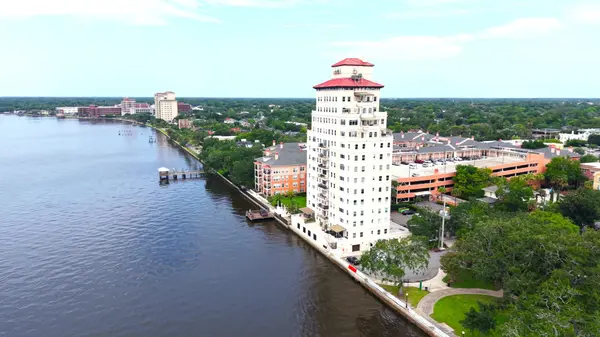
Is Riverside the Jacksonville Neighborhood You’ve Been Looking For?
Is Riverside the Jacksonville Neighborhood You’ve Been Looking For? Some Jacksonville neighborhoods are difficult to understand from property listings alone. Riverside is one of them. Historic homes, riverfront parks, Five Points, local restaurants, cultural attractions and proximity to Downtown all

The Number I Want Buyers to Know Before They Start Touring Homes
The Number I Want Buyers to Know Before They Start Touring Homes When buyers tell me they are preparing to purchase a home, they often begin with the amount they have saved for a down payment. That is a good starting point, but it does not answer the question I really want them to understand: How mu

Could You Be Considered a First-Time Homebuyer Again?
Could You Be Considered a First-Time Homebuyer Again? One of the most common misunderstandings I encounter is that first-time-homebuyer programs are only for people who have never owned a home. Florida Housing’s definition is broader than that. For many of its programs, the important question is whe